
Sub-Total: $0.00
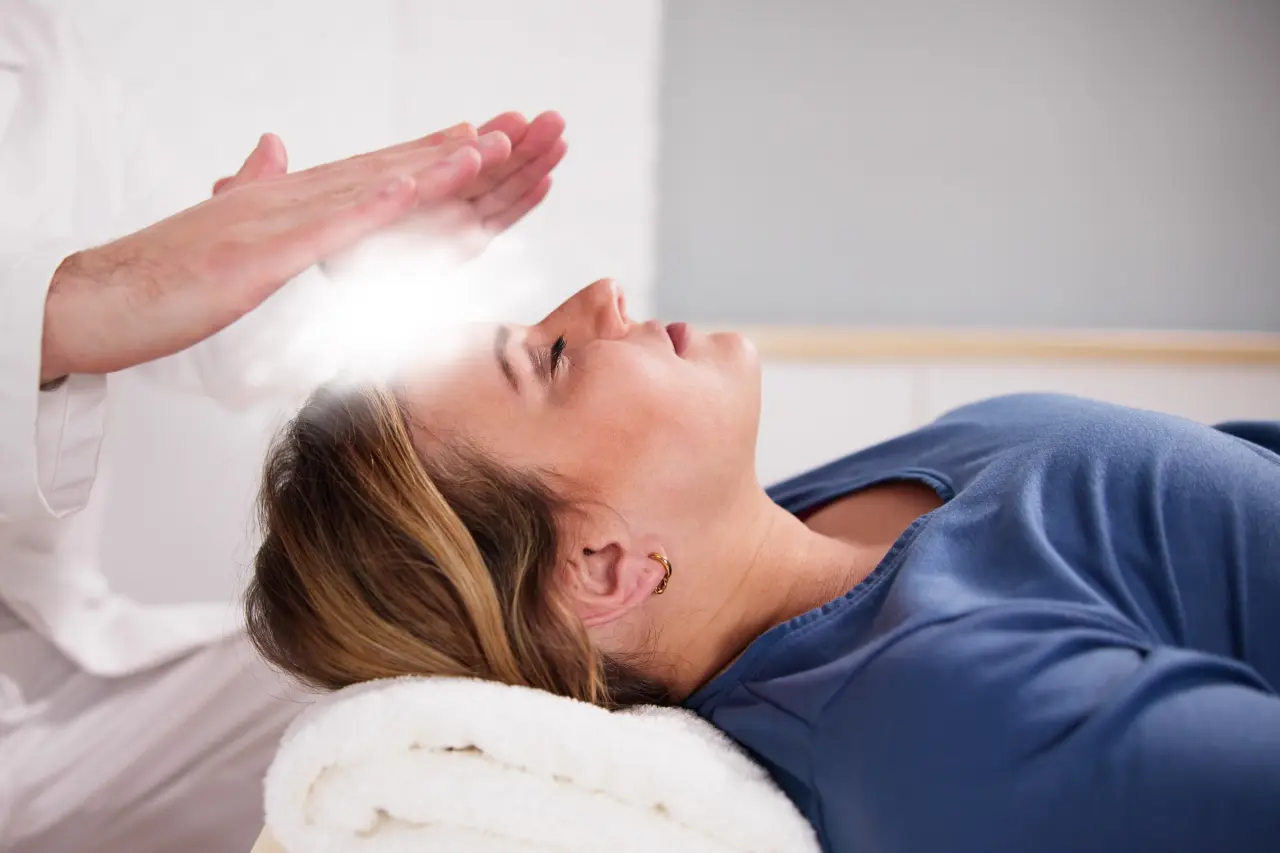
Reiki Healing: A Gentle Path to Inner Balance
In today’s high-stress world, where mental health concerns and physical ailments are on the rise, more people are turning toward complementary and holistic therapies to regain balance and wellness. Among these practices, Reiki has emerged as a popular form of energy healing, praised for its calming effects and ability to promote well-being on many levels.
But what exactly is Reiki? How does it work? And why are so many people incorporating it into their personal wellness routines? This blog offers a clear, down-to-earth introduction to Reiki healing and its potential benefits.
What Is Reiki
Reiki (pronounced ray-key) is a Japanese technique for relaxation, stress reduction, and healing. The term combines two words:
- Rei – meaning “universal”
- Ki – meaning “life energy”
In essence, Reiki is the practice of channeling universal life force energy to support the natural healing processes of the body and promote emotional and spiritual well-being.
Developed in the early 20th century by Dr. Mikao Usui, Reiki is not a religion or belief system—it works independently of one’s personal faith or background. It is simply the process of connecting with the energy that already exists within and around us.
How Does Reiki Work
Reiki practitioners are trained to channel energy through their hands into the body of the recipient. This energy is believed to flow where it is most needed, clearing blockages and promoting balance in the recipient’s energy system.
A Reiki session typically takes place in a quiet, peaceful setting. The recipient remains fully clothed and lies on a treatment table or sits comfortably in a chair. The practitioner lightly places their hands on or just above different areas of the body, allowing energy to flow.
Some people feel warmth or tingling during a session; others experience a deep sense of calm, emotional release, or even light sleep. Even if no sensations are felt, the process is still working—Reiki is subtle but powerful.
What Are the Benefits of Reiki
Reiki is often used as a complementary therapy, supporting both physical and emotional healing. While it is not a replacement for medical treatment, many people find that it helps reduce symptoms, ease discomfort, and foster a sense of overall well-being.
Some commonly reported benefits include:
- Reduced stress and anxiety
- Improved sleep
- Relief from tension and physical pain
- Emotional clarity and calm
- Support during illness, recovery, or medical treatment
- Enhanced relaxation and mindfulness
Research into Reiki is ongoing, and while results vary, many recipients report positive outcomes and an increased sense of peace after sessions.
The Science and Skepticism
The scientific understanding of Reiki is still evolving. Since Reiki is based on energy not easily measured by conventional tools, it can be difficult to study using traditional scientific methods.
However, some studies suggest Reiki can improve heart rate variability, lower blood pressure, and enhance mood. It is increasingly used in hospitals and hospices to support patients dealing with chronic illness, pain, or stress.
Still, skeptics point out that much of Reiki’s effect may stem from the placebo effect or the power of intention—both of which can be remarkably healing in their own right. Regardless of the mechanism, the consistent theme is that people often feel better after Reiki sessions.
What Is Distant Reiki
One unique aspect of Reiki is that it can be practiced remotely. Known as Distant Reiki, this form of healing allows energy to be sent across space and time. Practitioners use visualization and intention to direct healing energy to someone who is not physically present.
Recipients of distant Reiki often report similar effects to in-person sessions: feeling calmer, more grounded, and supported. This makes Reiki accessible even to those unable to travel or in need of care from afar.
The Five Reiki Principles
Dr. Usui, the founder of Reiki, also offered a set of guiding principles to help people live more mindfully. These are often used as daily affirmations and reflect the spiritual heart of Reiki practice:
- Just for today, I will not be angry.
- Just for today, I will not worry.
- Just for today, I will be grateful.
- Just for today, I will do my work honestly.
- Just for today, I will be kind to every living thing.
These simple reminders encourage mindfulness, compassion, and a positive mindset—qualities that support not only healing but overall quality of life.
Who Can Practice Reiki
Anyone can learn Reiki. Training involves attunements, which are energetic initiations given by a Reiki Master to open the student to the flow of healing energy. There are typically three levels:
- Level 1 (First Degree) – Focuses on self-healing and treating others in person.
- Level 2 (Second Degree) – Introduces distant healing and specific symbols for directing energy.
- Level 3 (Master/Teacher Level) – Deepens the practice and allows one to teach Reiki to others.
Some people pursue Reiki professionally, while others simply use it for personal growth, self-care, and supporting friends and family.
Final Thoughts
Reiki is a gentle yet profound form of healing that emphasizes the body’s natural ability to restore balance. Whether you’re seeking physical relief, emotional clarity, or spiritual insight, Reiki offers a supportive space to connect with your inner self.
At its core, Reiki invites us to slow down, tune in, and let go. In a world that often encourages speed and distraction, Reiki offers stillness, presence, and connection—things we all need a little more of. Let yourself slow down. Open to receive. And let the healing begin—book your Reiki session.